7 Latest Innovations Transforming Intelligent Printing Systems
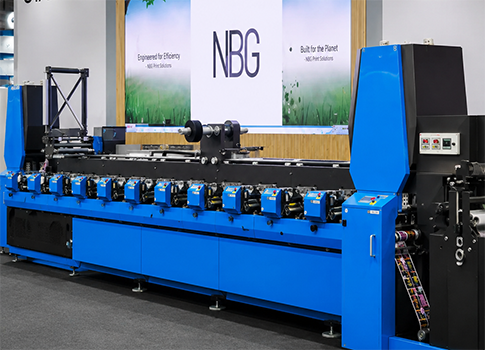
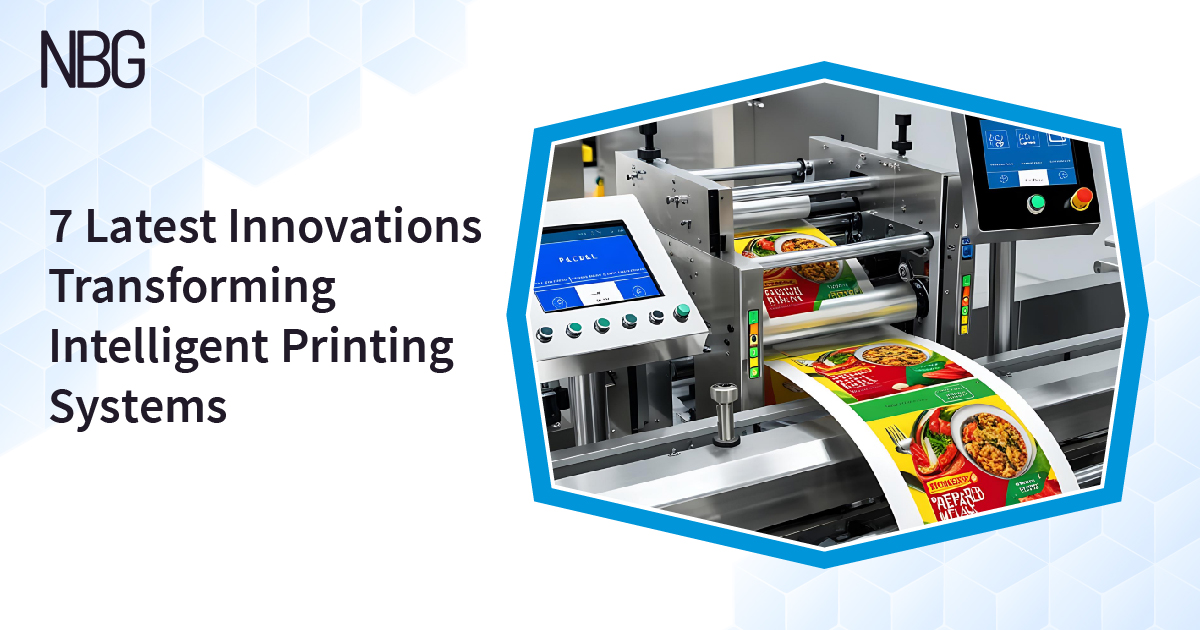
With the evolution of intelligent automation systems, how does the future of industrial printing look? From advanced flexographic to automated converting solutions, machinery today is becoming more adaptive to evolving industrial demands. Concerns related to the adoption of eco-friendly and zero-waste solutions continue to rise. With industries moving towards intelligent manufacturing and sustainable practices, understanding the latest innovations has become essential. This blog highlights the key technologies that are shaping the future of rapidly changing industrial sectors. Read on to learn more.
The Shift Toward Intelligent Printing Technology
Modern businesses are no longer relying on traditional machinery for output. Instead, the use of intelligent printing systems is slowly gaining importance. Technologies such as AI in printing applications, IoT-enabled monitoring systems, cloud-connected workflows, and hybrid printing technology are slowly transforming the way printing facilities operate. By operating with integrated workflows, they create streamlined and efficient manufacturing environments.
These systems allow you to monitor machine performance, automate quality control, predict maintenance requirements, and so much more. As a trusted printing machine manufacturer & supplier in India, our intelligent printing systems help global manufacturers improve packaging, converting and printing operations.
Here are some major advancements driving the future of modern printing and packaging operations:
1. Corrugated Packaging And Automation
The rapid expansion of e-commerce has significantly increased global demand for corrugated packaging solutions. With businesses requiring faster output, automation is becoming a central driver of growth within this industry. Instead of relying on manual production, modern corrugated operations make use of intelligent automation systems to support high-volume industrial production. Technologies such as automated die cutters, flute laminators, folder gluers, and integrated finishing systems are often used in industrial-scale corrugated operations.
Our modern corrugated packaging machines allow businesses to streamline workflows, improve material utilisation, and support high-volume industrial production.
2. AI In Printing Operations
Artificial intelligence is one of the most popular transformative forces in printing and packaging operations. This is due to its ability to analyse production data and make intelligent operational decisions. One of the biggest advantages of AI-enabled systems is predictive maintenance. Conditions such as temperature, pressure, ink performance and machine vibration can be monitored continuously to avoid any potential errors. This leads to benefits in the form of reduced unplanned downtime, improved machine lifespan and stable production environments.
Explore future-ready printing and packaging systems designed for modern industrial operations.
3. Hybrid Printing Technology
Hybrid printing technology combines the speed and cost-efficiency of conventional printing (such as flexographic or offset) with the versatility of digital printing. Conventional technologies are known for long production runs, high-speed output, and large-volume packaging applications. Digital printing, on the other hand, offers benefits such as short runs, variable data printing, and other personalised requirements. Sectors such as FMCG packaging, retail branding, pharmaceuticals, and e-commerce logistics are some common ones driving demand for adaptable printing environments.
4. Smart Packaging Technology
Unlike conventional methods, smart packaging technology integrates digital functionality to create interactive, trackable, and data-driven packaging solutions. QR code integration, NFC-enabled packaging, RFID tracking systems, and interactive product labelling are some examples of these systems. The integration of IoT-enabled manufacturing systems and cloud-connected workflows is further expanding the capabilities of this technology. Smart packaging innovations could also be used to support sustainability initiatives across the packaging industry.
5. IoT in Modern Printing Machines
IoT-enabled systems make use of interconnected sensors and smart communication technologies to monitor machines and workflow performance in real time. These systems identify any irregularities and optimise performance through data-driven decision-making. Improved accuracy, reduced downtime, and long-term equipment reliability are some common benefits of integrating IoT in printing machines. Early detection of component wear allows businesses to schedule maintenance proactively and reduce any unexpected production delays.
6. Eco-Friendly Printing And Packaging
Sustainability is one of the most influential drivers of innovation today. As consumers and regulatory bodies increasingly prioritise responsible practices, the demand for eco-friendly solutions continues to grow. Paper-based packaging, corrugated solutions, and zero-waste printing solutions are some examples of eco-friendly printing and packaging. Technologies such as high-speed converting systems, automated manufacturing equipment and intelligent corrugated machinery can further help to improve packaging efficiency.
7. Automatic Paper Bag Machine Innovations
An automatic paper bag machine helps with production efficiency, improved automation and precision, and scalable performance. Industries such as retail, food packaging, FMCG, e-commerce, pharmaceuticals, and luxury packaging are commonly known to invest in automated paper bag systems. Through the use of intelligent automation technologies, you can easily produce a wide range of formats, such as square-bottom paper bags, flat handle bags, twisted handle paper bags, and more.
Related Reading: Explore our piece on the 5 latest trends shaping the future of paper bag manufacturing.
Benefits Of Automated Printing Machines
Automated machinery is increasingly considered essential for improving productivity, precision, and workflow optimisation. Here are certain benefits of automated printing machines you need to know about:
- You can streamline operations and maintain faster production cycles across industrial and packaging environments.
- Real-time automated monitoring, IoT-enabled sensors, and intelligent software create stable, predictable production environments.
- Advanced automation systems support better ink management, substrate handling, and material alignment.
- Scalable automation allows you to effortlessly ramp up production volumes for packaging, corrugated boxes, labels, and paper bags without increasing labour costs or downtime.
- Advanced automation simplifies complex tasks, including material handling, inline print monitoring, automated quality inspection, and finishing processes.
Related Reading: Check out this detailed guide on how automation and sustainability are slowly transforming the printing industry.
Conclusion
Traditional systems focused on mechanical efficiency and high-volume output. Today, however, the influence of AI, IoT-enabled monitoring, and advanced automation technologies is quite prominent. The future of this technology will be influenced by the adoption of smart packaging and hybrid printing technologies. Sustainability is another factor that is likely to drive this innovation.
At NBG Printographic, we help businesses adapt advanced printing, packaging, and converting machinery solutions. Through our wide network, we have developed a strong domestic and international presence across Asia, Europe, Africa, and South America. Contact our team to discover adaptive production systems that will shape the future of industrial printing.
FAQs
1. How is AI used in printing technology?
Unlike traditional systems, AI can analyse production data and make intelligent operational decisions to optimise your machine performance.
2. What is the role of IoT in printing machines?
IoT plays a key role in modern printing by enabling real-time monitoring, connected workflows, and intelligent production across printing operations. At NBG Printographic, we provide advanced printing solutions engineered for modern industrial environments.
3. What are the benefits of automated printing machines?
Automated printing machines offer multiple benefits, such as production efficiency, workflow accuracy, operational scalability, and long-term manufacturing reliability.
4. What are cloud-connected printing workflows?
Cloud printing helps businesses manage printing operations remotely by improving their workflow visibility, production coordination, and operational efficiency across multiple locations. At NBG, our advanced printing technology allows us to maintain connected and scalable environments.
5. Which industries benefit most from advanced printing machines?
FMCG, food and beverage, pharmaceutical, retail, e-commerce, and corrugated packaging are some industries that benefit most from advanced printing machines. Our flexo printing machines are a prime example of modern printing technology designed specifically for the retail and FMCG industries.