Flexographic Printing: A Smarter Way to Print Labels at Scale
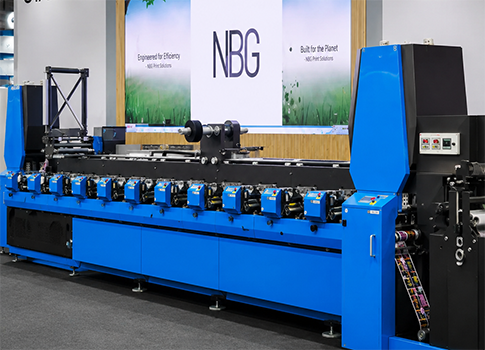
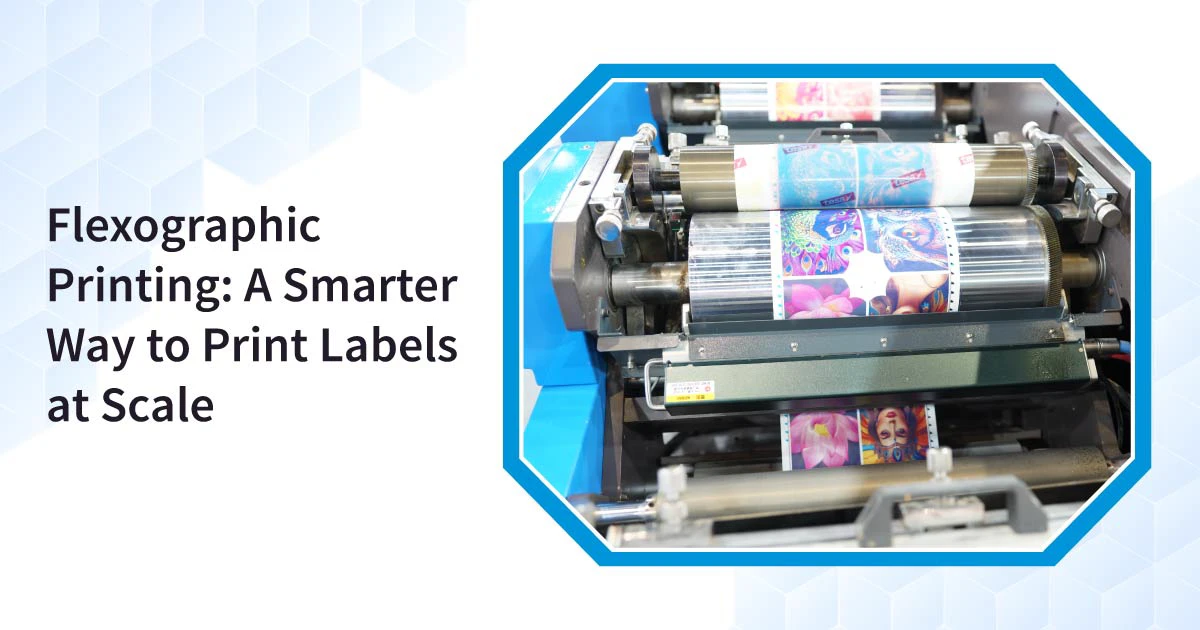
In this realm of high-speed printing, the flexographic printing machine is making a leap over traditional letterpresses in terms of speed, cost-effectiveness, and durability. When it comes to label printing, flexographic printing goes way ahead of traditional and digital printing solutions.
In this detailed blog post, we will explore flexographic printing and how it is best suited for printing labels at scale. Keep reading and exploring!What Is Flexographic Printing, and How Does It Work?
Flexographic printing, also known as flexo printing, is a modern and high-speed printing process known for continuous runs and adaptability to various substrates, like paper, film, foil, etc. It uses flexible and raised photopolymer plates, quick-drying inks, and rotating cylinders to print a large number of prints within a fraction of the time. It is a modern and improved version of the traditional letterpress with minimal setup downtime. When it comes to the working of a flexo printing machine, it uses a flexible and raised-image printing roller made of photopolymer, which transfers inks directly to the substrate. An anilox roller is used to apply a sufficient amount of ink onto the raised surface of the roller. Both the raised roller and the anilox roller are combined to print the image, and then it goes for curing.Looking for a high-speed, consistent, and cost-effective flexographic printing machine?
Why Flexographic Printing Is Smarter for Scaled Label Production
1. High-Speed Output with Minimal Waste
Due to its web-fed process and transfer of fast-drying ink at a high speed, flexographic printing is widely known for high-speed label production. The finely engraved ceramic anilox roller is for precise ink delivery, and the doctor blade is for scraping away excess ink. Also, the automated process ensures minimal waste. The integration of these smarter technologies into flexo printing makes it ideal for meeting tight production deadlines with mass printing needs.2. Low Per-Label Cost for Long Runs
Flexo printing uses a photopolymer roller, which can be used for countless prints. It also uses an anilox roller, which saves a huge amount of ink, leading to a significant cost offset over time. In addition, fast printing, fast drying, and continuous stability bring the per-level cost to a minimum over time. Altogether, flexo printing stands out as a cost-effective label printing solution for bulk-level printing and packaging.3. Versatility Across Substrates
The flexo press for label manufacturing is known for printing on a wide range of substrates, including papers (coated and non-coated), cardboards, plastic films, polyester, polyethene, eco-friendly materials, etc. In short, the flexo, a packaging printing machine, can print on almost all kinds of porous and non-porous substrates at speeds required by Printers.4. Automation and In-Line Finishing Options
Flexo machines are engineered to automate the in-line operations of modern printing with minimal human attention. The automation benefits of flexographic printing in packaging allow the industry to print labels at high speed without spending much on manual labour. Additionally, the flexo utilises Industry 4.0 principles to enable human-intervention-free operations and implement smart in-line functions.5. Colour Consistency and Precision
The anilox roller delivers controlled ink onto substrates and uses precisely designed software for colour management to provide colour consistency and precision. It is known for repeatable colour consistency delivery across thousands or millions of labels without any complaint of smudging.Flexographic Printing in Action: Industrial Use Cases
1. FMCG Brands
FMCG (Fast-Moving Consumer Goods) brands require a printing process that can seamlessly adopt ever-changing designs and print them at high speed and volume. Flexography also offers consistent high-volume output for food and beverage packaging.2. Pharmaceutical Companies
Pharmaceutical companies often require an industrial packaging printing solution that is high-speed, cost-effective, and compliant. Flexo printing offers precise and high-speed printing for pharmaceutical companies while ensuring that the labels are regulatory-compliant. It ensures labels are tamper-evident, durable, and have clearly readable materials for patient safety.3. E-Commerce and Logistics
E-commerce and logistics require cost-effective, high-volume, and durable label production-equipped printing solutions. The flexo printing solution comes out clean on the requirements by printing durable labels at minimal per-label cost. Also, high-speed production and printing material versatility make the flexo an ideal choice for e-commerce and logistics industries.4. Private Label and Contract Manufacturers
Flexographic printing provides private label and contract manufacturers with a cost-effective and versatile printing quality-equipped solution. It ensures that manufacturers not only get high-speed label production but also get durable labels. It helps position private label contractors as a trusted and reliable brand and thus increases their profitability.Key Features That Make Flexo Ideal for High-Throughput Environments
1. Modular designs
The flexo machine comes with a modular design, which means it has independent modules that can be interchanged at the time of customisation, upgrade, and new technology integration. The modular design of flexo offers customisability to specific needs and provides seamless access for maintenance without high downtime. It also allows the machine to be scaled up without compromising speed.2. Faster Plate Changes and Automated Tension Control
In traditional printing presses, plate change required time and manual effort, as each colour needed a separate plate, which halted the process for a long time. In the modern flexo printing process, the plate change process has become significantly faster, all thanks to automated and streamlined systems. It reduces downtime and offers high-speed printing at a bulk level.3. High-speed Web Handling
The flexo offers high-speed web handling by using modern and sophisticated technologies. Servo motors are used in flexo machines to control the web (material being fed) by accelerating and decelerating for speed management. It ensures that the machines can perform with minimal interruption.4. Seamless Integration with Finishing Units
Another feature of flexo printing for custom labels is seamless integration with finishing units, like die-cutting, lamination, or something else related. The printing solution allows the industries to have a streamlined printing process with in-line finishing units, saving time and cost.5. IoT and Digital Integration
The digital technology integration, along with IoT devices, makes flexo printing a smart system with automated and data-driven workflows. It allows operators to have smarter production monitoring and efficiency tracking, eliminating the need for manual calculations.Conclusion
The flexo printing machine is a highly effective printing solution for modern printing requirements. The high-speed printing, low cost per unit level, and automated in-line process make this machine widely suitable for a wide range of industries requiring high-speed printing solutions. NBG Printographic is one of the top flexo printing machine manufacturers and printing machine suppliers in India. We are known for offering cost-effective and high-quality flexo printing machines. Contact us today to know more about our modern printing machines!FAQs
What is a flexographic printing machine?The flexographic printing machine is a high-speed, automatic, and modular design-equipped machine that uses modern technology and high-end parts to print on a range of porous and non-porous substrates.
Why is flexo printing preferred for label production?Flexo printing is preferred for label production, as the machine stands out in speed, cost-effectiveness, material versatility, and space for integrating finishing units.
What are the advantages of flexographic printing for packaging?Flexographic printing offers a range of benefits to the packaging industry, including high-speed production, low cost per unit print, material versatility, space for integrating in-line finishing units, and modular design, among others.
How does flexo printing compare to digital printing for labels?Flexo printing is best for bulk and high-volume label printing, whereas digital printing is suitable for low-volume label production. In addition, flexo printing offers low-cost label printing per unit, whereas digital printing may require more investment even for low-volume printing.
What types of materials can be printed using a flexo printing machine?A flexo printing machine can print onto a range of substrates. It includes porous and non-porous materials like paper, film, foil, etc.
What industries benefit most from flexo label printing?A range of industries can benefit from flexo label printing, including pharmaceuticals, cosmetics, food and beverage, FMCG, e-commerce, and logistics.
Can flexo printing handle complex label designs?Yes, flexo printing can handle complex label designs, including multi-colour and gradient designs.