A Complete Guide to Paper Sheeting Machines and Their Applications
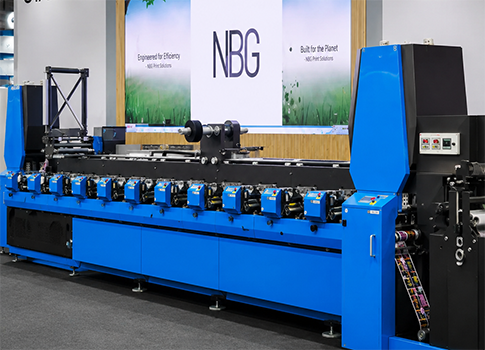
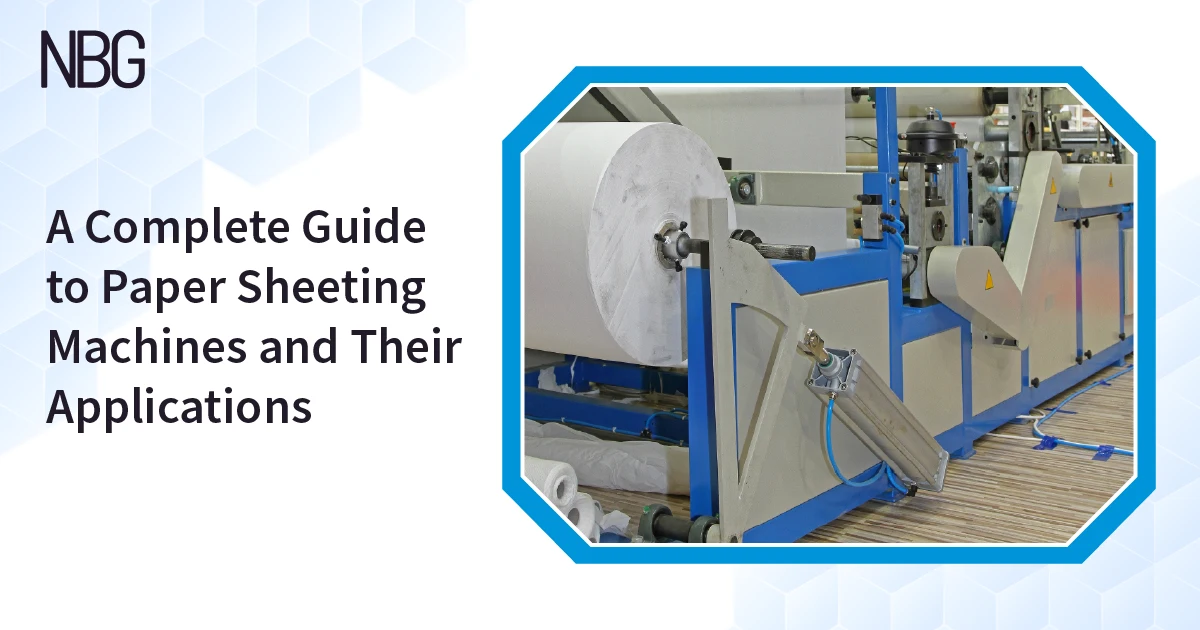
In today's paper-converting industry, efficiency and accuracy are critical to ensure quality and to meet production needs. The roll-to-sheet cutting machine, also known as a sheeting machine, is a crucial component in the process of cutting paper rolls into usable sheets. Knowing the inner workings of these machines can help businesses maximise productivity and minimise waste.
A] What is a Sheeting Machine?
The sheeting machine is used for slicing rolls of paper into flat sheets of a certain size. It is commonly used in the printing, packaging and paper processing sectors for producing sheets of even size.B] Role of Sheeting Machines in the Paper Converting Process
During the paper converting process, sheeting machines play a crucial role in efficiently converting raw materials into desired paper formats. They ensure consistency, minimise manual labour and create sheets for subsequent use at the downstream stations such as printing and packing.Upgrade your production with a high-performance paper sheeting machine from NBG Printographic.
C] How Does a Sheeting Machine Work?
It's crucial to examine the entire workflow of a sheeting machine and the significance of each step in ensuring precision and efficiency.1. Roll Feeding and Unwinding
It starts with the installation of big rolls of paper on the unwinding unit. These rolls are fed carefully into the machine in a controlled way. If the material is handled properly while unrolling, it will ensure a smooth material flow and prevent any sudden jerk that might cause damage to the paper or to the accuracy of cutting.2. Web Guiding System
A web guiding system is a key factor in keeping the paper aligned. Running paper at high speeds can cause slight variations, resulting in uneven cuts. Web position is controlled by sensors that automatically adjust as necessary to ensure precise tracking all the way through.3. Tension Control System
Keeping the tension even is critical to good-quality production. Excessive tension will stretch or tear paper, and insufficient tension will result in wrinkles. Automated tension control systems are used in advanced sheeting machines to ensure stable sheeting during operation.4. Cross-Cutting Blade Mechanism
The cross-cutting blade mechanism is responsible for cutting the paper into sheets with high precision to make sure that each sheet is of the correct size. The blade moves in synchrony with the paper speed to produce uniform results.5. Folding and Stacking Sheets
After cutting, sheets are conveyed to the delivery area, where they are neatly stacked. This organised stacking is important for further processing, such as printing or packaging.6. PLC Control Panel and Automation
Modern sheeting machines have a PLC control panel that serves as the brain of the machine. Operators can manage the machine speed, adjust the length of the sheet, monitor the performance and detect errors in real-time. Automation enhances efficiency, minimises human error, and guarantees uniformity of production.D] Types of Sheeting Machines
Selecting the ideal sheeting machine depends on your operational scale, web width, and material specifications. Below are the primary sheeting machine configurations used in modern paper and film converting:1. Cross-Cutting Sheeting Machine
A cross-cutting sheeting machine cuts sheets with a blade that runs across the sheet. It is suitable for applications that require high accuracy and uniformity of sheet size.2. Rotary Sheeting Machine
A rotary sheeting machine utilises rotating blades to cut paper continuously as it feeds through the system. It is widely used in industries where productivity and throughput are crucial.3. Roll to Sheet-Cutting Machine
The roll-to-sheet cutting machine is a multi-purpose solution which cuts paper rolls to sheets efficiently. It can be configured to process different roll sizes and material types, serving diverse commercial and industrial packaging operations.Choosing the Right Type
Select the right type of sheeting machine for your requirements based on the following considerations:- Production volume
- Required speed
- Sheet size accuracy
- Type of paper being processed
E] Key Components of a Sheeting Machine
Sheeting machine components play vital roles in ensuring the accurate and efficient performance of the machine.1. Unwinding Unit
This unit holds and feeds the paper roll into the machine. It is engineered to handle large rolls while maintaining a smooth material flow.2. Web Guiding System
The paper is aligned properly by the web guiding system. It helps prevent lateral shifts that could impact cutting precision and sheet quality.3. Cutting Section
This consists of the cross-cutting blade mechanism that performs the actual cutting. High-quality blades are crucial for producing clean, accurate cuts.4. Drive System
The motion of the rollers and blades is controlled by the drive system. It ensures precise synchronisation across all components of the machine.5. PLC Control Panel
The PLC control panel enables operators to efficiently monitor and manage machine operations. It provides real-time data and precise control over production parameters.6. Delivery and Stacking Unit
This section collects and stacks finished sheets in an organised manner, preparing them for immediate downstream processing.F] Advantages of Sheeting Machines
The following are the key advantages of sheeting machines:1. High Precision and Accuracy
Whether for printing or packaging, sheeting machines maintain strict dimensional control over every sheet. Precise cutting minimises errors and improves overall product quality.2. Increased Productivity
Modern sheeting machines operate at high speeds to meet demanding production targets, minimising turnaround times and maximising output efficiency.3. Reduced Material Waste
Accurate cutting systems significantly reduce trim waste, helping businesses lower material costs and manage resources more effectively.4. Automation and Ease of Operation
Machine functions are easily managed through advanced PLC control systems. Automation minimises manual intervention and enhances operational reliability.5. Versatility
Sheeting machines accommodate a wide range of paper types, weights, and sizes, making them suitable for diverse converting applications.6. Improved Workflow Integration
These machines are designed to integrate seamlessly into existing printing and packaging lines, ensuring smooth production flow while minimising downtime.G] Applications of Sheeting Machines
Sheeting machines are widely used in different industries due to their accuracy, speed, and adaptability.- Printing Industry: It is used to prepare sheets for accurate offset and digital printing to guarantee uniformity of printing quality.
- Carton industry: It is widely used for carton production and paper bag manufacturing, where it is essential to ensure accurate paper sheet sizes.
- Publishing Sector: Supplies standardised sheets at high volumes to help create books, magazines and newspapers.
- Commercial Paper Processing: Processes continuous webs into finished cut-sheet paper products for office supplies, stationery, and specialised industrial applications.
H] Advanced Paper Sheeting Solutions by NBG Printographic Machinery Co.
Leading printing machine manufacturers in India are driving innovation in paper converting technology with advanced sheeting solutions engineered for demanding production environments. These high-performance machines are built to deliver uncompromised cutting precision, exceptional speed, and long-term industrial durability.- Optimum sheet accuracy, even at high speeds.
- Optimised material wastage from accurate and efficient cutting systems.
- An integrated printing and packaging solution.
- Viewing automation through the lens of advanced automation, featuring PLC-based controls.
Conclusion
A paper sheeting machine is an essential part of the paper converting process to efficiently and accurately convert paper rolls into paper sheets. Modern machines come with high-end features, including web guiding systems, cross-cutting blade systems and PLC control panels, which guarantee consistent performance and reliability. Working together with a trusted printing machinery manufacturer in India such as NBG Printographic can enable businesses to invest in solutions that improve productivity, minimise waste, and ensure high-quality standards.FAQs
What materials can be used in a sheeting machine?Depending on machine configuration, cutting system and tension control capabilities, sheeting machines can process paper, kraft paper, coated paper, cardboard, paperboard, laminates, foil-laminated sheets, and some flexible packaging materials.
What are the main components of a sheeting machine?The main components consist of the unwinding unit, web guiding system, tension control system, cutting section (with blades), drive system, PLC control panel and delivery stacking unit (for organised sheet delivery).
What is the difference between rotary and cross-cut sheeting machines?Rotating sheeting machines are high-speed cutting machines and cross-cut machines are low-speed, high-accuracy cutting machines.
What is the speed of a paper sheeting machine?The velocity of a paper sheeting machine usually varies between 50 and 300 metres per minute, depending on the kind of sheeting machine, the thickness of the sheet, the degree of automation, and production needs.
What is the advantage of using a sheeting machine?The sheeting machines are crucial for modern paper converting and printing tasks as they provide high precision, faster production, waste reduction, automation, improved sheet quality and efficiency.