Hardcover Book Production: Features, Process and Technology
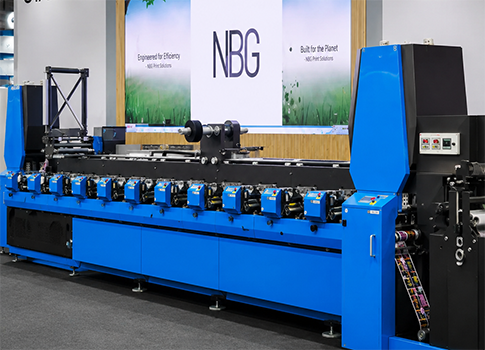

Ever wonder how hardcover books get that flawless, built-to-last finish? It all comes down to modern automated bookmaking machines. Technologies such as case-binding machines, automatic glueing systems, corner-bending devices, and other automated finishing equipment are some options that are often recommended. These systems help to reduce manual handling, minimise material waste, and even support faster turnaround. With production requirements continuing to evolve, understanding the process behind hardcover book manufacturing has become more important than ever. This article aims to provide an overview of modern hardcover bookmaking machines, the essential technologies, and the role of automation today in improving efficiency.
What Is A Hardcover Book Making Machine?
A hardcover bookmaking machine is a specialised piece of equipment that is specifically designed to automate and streamline the production of hardcover books. Rather than relying on multiple manual operations, this machine integrates key manufacturing processes, which leads to consistent quality, accurate assembly, and efficient production. All these play a key role in transforming printed book blocks, cover boards, and covering materials into hardcover books. These integrated systems help to optimise workflow efficiency while ensuring consistent output quality across all your production runs. At NBG, our automatic hardcover machine is designed to streamline hardcover case production with efficient processing speeds of up to 25 pcs per minute, which helps manufacturers achieve consistent output and operational efficiency.Essential Features Of Modern Hardcover Book Making Machines
As manufacturing demands continue to increase, advanced automation technologies have now become essential for streamlining workflows and maintaining a stable output. From cover preparation and adhesive application to binding and finishing, each component here plays a very specific role.1. Case Binding Machine
A case binding machine is one of the most important components in the hardcover book manufacturing process. The manufacturing stage here plays a critical role in determining the structural integrity, durability, and overall quality of your book. Case binding machines are specifically designed to perform operations that allow a high degree of precision and consistency. By using automated feeding, positioning, and pressing systems, they accurately align the hardcover case with your prepared book block.2. Automatic glueing system
An automatic glueing system is a critical feature of a modern hardcover bookmaking machine. The adhesive bonding here plays a vital role in hardcover book production. This is because it directly impacts the strength, durability, and overall quality of your finished product. In addition to improving product quality, the automated application here also enhances production efficiency by reducing any requirement for manual intervention.3. Corner-bending device
A corner-bending device is an essential component in hardcover book production. Once the cover material has been wrapped around the cover boards, the corners need to be folded accurately, as this creates a professional finish. Poorly formed corners affect both the appearance and durability of your finished book. By using modern corner-bending devices, you get to automate the process by accurately folding and shaping the covering material around both the board edges and corners.4. Automated hardcover finishing
Automated hardcover finishing represents the final stage of your hardcover book manufacturing process. Once the book block gets bound to the hardcover case, finishing processes ensure that the final product meets your required quality standards. Precision during this stage is essential, as even a minor inconsistency could affect your book's functionality. Modern automated finishing systems help you perform tasks such as pressing, joint forming, trimming, and quality refinement, all with a high degree of accuracy.Produce up to 25 premium hardcover cases per minute with NBG's advanced automation.
How Automation Enhances Hardcover Book Production
Automation is now a key driver of efficiency and consistency in modern hardcover book manufacturing. With production volumes and quality expectations increasing, manufacturers now have the option to perform complex operations with accuracy. Here are some reasons that explain how automation enhances hardcover book production.1. Increased Production Efficiency
Automation significantly improves production efficiency by streamlining multiple stages of your book manufacturing process. Tasks such as adhesive application, case making, binding, and finishing can be performed within an integrated workflow, allowing for a smooth production cycle. This enables manufacturers to process higher volumes of books within shorter timeframes while still maintaining consistent production standards. By reducing the need for repetitive manual tasks, manufacturers can now optimise their workflow management and even allocate resources in an effective manner.2. Reduced Manual Labour
One of the primary advantages of automation in hardcover book manufacturing is the reduction of manual labour in critical production stages. Processes such as cover positioning, adhesive application, corner forming, case binding, and finishing traditionally demand significant operator involvement. Automated systems help to perform tasks with precision and consistency, reducing the need for repetitive manual handling. By automating labour-intensive operations, manufacturers get to minimise the risk of human error while simultaneously improving process reliability.3. Consistent Output Quality
Maintaining consistent output quality is essential in hardcover book manufacturing, particularly in commercial environments, as a large volume of books are required to meet the same specifications and quality standards. Variations in adhesive application, cover alignment, corner formation, or binding accuracy can potentially affect the appearance, durability, and functionality of your finished product. Automation helps to minimise these inconsistencies by ensuring that each production stage is performed based on some set parameters.4. Faster Finishing Processes
Finishing operations are a crucial part of hardcover book manufacturing, as they contribute to the final appearance and overall quality of your completed product. Processes such as pressing, joint forming, trimming, and quality refinement ensure that each book meets your production specifications. Automated finishing systems help to accelerate these operations by maintaining the precision required for professional book production. The automated controls here help to maintain consistent operating speeds and reduce any delays in the production stages. Read this blog to discover the role of robotic automation in manufacturing that helps to increase efficiency.Choosing The Right Machine For Your Production Requirements
Selecting the right hardcover bookmaking machine is an important decision that can influence your long-term operational performance. Different manufacturing facilities have varying production goals, material requirements, and capacity demands. This makes it essential to evaluate equipment based on specific operational needs rather than relying on your machine specifications.1. Required Production Capacity
Production capacity is one of the most important factors to consider when selecting a hardcover bookmaking machine. Every manufacturing facility operates with different production volumes, delivery schedules, and operational objectives. This makes it essential to choose equipment that will meet your current demand while still providing support for future growth. A machine with the appropriate capacity helps to ensure efficient workflow management and consistent production performance without creating any trouble or delays.2. Material Handling Compatibility
Material-handling compatibility is an important consideration when selecting a hardcover bookmaking machine. Modern hardcover bookmaking machines are specially engineered to handle different cover materials, board sizes, and thicknesses with precision. The ability of this machine to accurately process these materials ensures smooth production, consistent product quality, and minimal interruption. Advanced feeding, positioning, and alignment systems further help to maintain accurate material movement throughout your production cycle.3. Advanced Automation Features
Advanced automation features play a key role in improving the efficiency, accuracy, and reliability of modern hardcover book manufacturing. By integrating multiple production processes in a coordinated workflow, automated systems offer benefits such as reduced manual intervention and precise control. This helps manufacturers achieve consistent results, optimise operational performance, and increase overall productivity. Automated monitoring and control systems help to maintain stable operating conditions and also reduce any likelihood of production errors.4. Long-Term Operational Reliability
Long-term operational reliability is a key consideration, as consistent equipment performance directly impacts your product quality and manufacturing efficiency. Today, modern hardcover bookmaking machines are specifically designed to deliver accurate and repeatable performance across demanding manufacturing environments. Reliable feeding mechanisms, precision alignment systems, and integrated automation technologies ensure that every production stage operates smoothly and consistently.Read this blog to discover how you can choose the right flexo-printing machinery that helps you to improve both efficiency and functionality.