How to Choose the Right Paper Bag Material for Your Business Needs

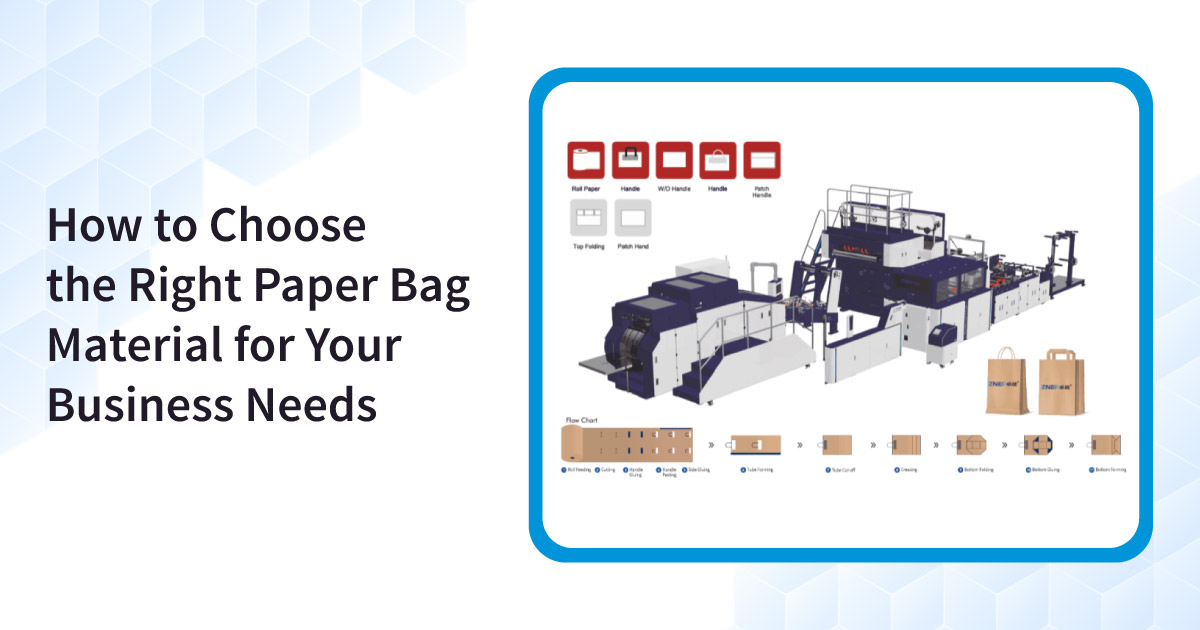
Selecting the appropriate paper bag material is crucial for ensuring your business meets customer expectations while maintaining cost-effectiveness and sustainability. Here’s a comprehensive guide to help you choose the best material for your paper bags making machines based on various factors.
1. Understand Your Business Requirements
- Product Type: Identify the items your paper bags will carry. For heavier items like groceries, books, or electronics, durable materials are necessary. For lighter products like clothing or pastries, thinner materials may suffice.
- Usage: Are the bags intended for one-time use or reusable purposes? Reusable bags typically require sturdier materials.
2. Common Paper Bag Materials
Here are some widely used materials for paper bags and their applications:a) Kraft Paper
- Features:
- Strong and durable
- Made from wood pulp
- Available in natural brown or bleached white
- Best For: Grocery bags, packaging for heavy items, and eco-friendly products.
- Advantages:
- Recyclable and biodegradable
- Cost-effective
b) Coated Paper
- Features:
- Smooth finish with a glossy or matte coating
- Water and grease-resistant
- Best For: Food packaging, takeout bags, and luxury retail.
- Advantages:
- Enhances product presentation
- Customizable for branding
c) Recycled Paper
- Features:
- Made from post-consumer recycled materials
- Sustainable and eco-friendly
- Best For: Businesses emphasizing sustainability, such as organic and eco-conscious brands.
- Advantages:
- Environmentally friendly
- Reduces carbon footprint
d) Specialty Paper
- Features:
- Includes materials like textured or embossed paper
- Often used for high-end packaging
- Best For: Luxury brands and special occasions.
- Advantages:
- Adds premium appeal
- High customizability
3. Factors to Consider
a) Weight Capacity
Choose a material with the appropriate GSM (grams per square meter) to ensure durability for the items the bag will carry. For example:- Light items: 80-120 GSM
- Medium items: 120-180 GSM
- Heavy items: 180+ GSM
b) Environmental Impact
- Opt for recyclable, biodegradable, or compostable materials to align with sustainability goals.
- Check if your chosen material complies with local environmental regulations.
c) Printing Compatibility
- Ensure the material supports your desired printing techniques.
- Kraft paper is suitable for flexographic printing.
- Coated paper is ideal for detailed branding designs.
d) Cost Considerations
- Balance quality with affordability. Kraft and recycled papers are often budget-friendly.
4. Industry-Specific Recommendations
- Retail Stores: Kraft or coated paper with custom branding.
- Food Industry: Coated or grease-proof paper for durability.
- Luxury Brands: Specialty or coated paper with elegant finishes.
- Eco-Friendly Brands: Recycled kraft paper to emphasize sustainability.
5. Pro Tips for Making the Right Choice
- Test Samples: Order material samples to assess quality and durability.
- Consult Suppliers: Discuss your needs with paper bag manufacturers to get expert recommendations.
- Consider Branding Needs: Choose materials that enhance your logo and design.