Corrugated Box Manufacturing Business In India: A Startup Guide
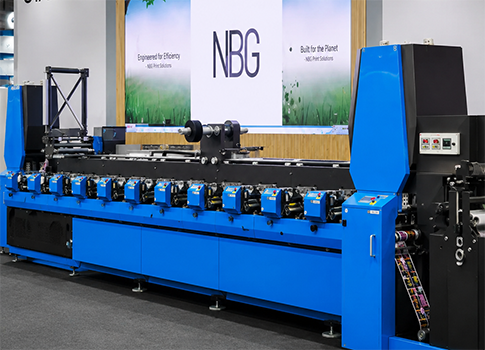

What do you think is driving the rapid expansion of the packaging sector in India? Perhaps the answer here lies in the changing needs of modern supply chains. Growing demand within the packaging industry means businesses today require solutions that are durable, lightweight, cost-effective, and environmentally responsible. Corrugated boxes help to meet these requirements while still offering the flexibility needed for a wide range of packaging applications. In this blog, we shed light on the key steps manufacturers need to take for establishing a successful corrugated box manufacturing business in India.
Scope of the Corrugated Box Industry in India
With businesses prioritising product protection, efficient transportation, and sustainable packaging solutions, corrugated boxes have become one of the most widely used packaging formats today. One of the primary factors contributing to industry growth is the continued expansion of e-commerce. The pharmaceutical and food processing industries have also contributed to this growing demand. Sustainability trends further create additional opportunities for businesses entering the corrugated box manufacturing business. Government initiatives supporting manufacturing and industrial development also create favourable conditions for entrepreneurs looking to invest in a modern corrugated box making machine and establish a business with long-term growth potential.Understanding the Different Types of Corrugated Boxes
As different industries have unique packaging requirements, corrugated boxes need to be manufactured in multiple configurations. Before establishing a corrugated box manufacturing business, here are some types of corrugated boxes to be aware of.1. Single Wall Corrugated Boxes
Single-wall corrugated boxes consist of one fluted corrugated medium placed between two linerboards. These are widely used for shipping consumer goods, food products, electronics, retail items, and other general-purpose packaging applications.2. Double Wall Corrugated Boxes
Double-wall corrugated boxes feature two layers of fluting and three linerboards, providing greater strength and durability when compared to single-wall designs. These are commonly used for heavier products, long-distance transportation, industrial equipment, automotive components, and even bulk shipments.3. Triple Wall Corrugated Boxes
Triple-wall corrugated boxes contain three layers of fluting and four linerboards, which offer maximum protection for heavy-duty packaging requirements. These boxes are often used as an alternative to wooden crates for transporting large machinery parts, industrial products, export shipments, and other high-value equipment.4. Die-Cut Corrugated Boxes
Die-cut boxes are customised packaging solutions manufactured using specialised cutting patterns to achieve specific shapes, sizes, and structural designs. They are frequently used for retail packaging, promotional packaging, display units, and products that demand a unique presentation.5. Printed Corrugated Boxes
Printed corrugated boxes combine product protection with branding and marketing benefits. High-quality printing helps businesses achieve brand visibility while maintaining packaging functionality.6. Custom Corrugated Boxes
Custom corrugated boxes sometimes need to be designed with unique dimensions, structural features, inserts, partitions, and printing elements. This flexibility enables manufacturers to produce customised packaging solutions for a wide range of industries.Discover how NBG Printographic can support your business with high-performance machinery
Essential Corrugated Box Raw Material Types
The quality, durability, and performance of corrugated packaging largely rely on the materials used during production. For any corrugated box manufacturing business, selecting the right raw materials is essential to cater to varied customer expectations.1. Kraft Paper
Kraft paper is the primary raw material used in corrugated box production. It is known for its high strength, durability, and resistance to tearing. Available in different grades and thicknesses, kraft paper plays a crucial role in determining the overall quality of corrugated packaging.2. Fluting Paper
Fluting paper forms the corrugated medium that creates the characteristic wave-like structure between linerboards. This fluted layer is what provides the cushioning, shock absorption, and structural strength to the box.3. Adhesives
Adhesives are used to bond the linerboards and fluted medium together during the manufacturing process. High-quality adhesives ensure the box performs effectively throughout handling and transportation.4. Printing Inks
For businesses producing branded packaging, printing inks are an important component in any manufacturing process. The quality of printing inks directly impacts the print clarity, colour consistency, and overall packaging appearance.Discover how flexographic printing helps manufacturers achieve high-speed production and consistent print quality for corrugated boxes.