Paper Bag Types Explained for Retail and Food Packaging

If you’re involved in packaging, retail, or food service, you’ve likely noticed how paper bags have evolved from simple carry solutions into powerful branding and sustainability tools. Today, choosing the right paper bag isn’t just about holding a product; it’s about functionality, presentation, compliance, and cost efficiency.
As sustainability regulations tighten and consumer preferences shift away from plastic, businesses are increasingly investing in paper-based packaging. However, not all paper bags serve the same purpose. Understanding the different types of paper bags and where they fit best can directly impact product safety, shelf appeal, and operational efficiency. This is where both packaging strategy and the right machinery, supplied by experienced printing machine manufacturers in India like NBG Printographic, play a critical role.Why Paper Bag Selection Matters More Than Ever
Paper bags are no longer interchangeable commodities. Each design, structure, and material is suited to a specific use case.1. The Strategic Role of Paper Bags in Modern Packaging
Businesses today use paper bags to:- Reinforce eco-friendly brand positioning
- Improve product protection
- Enhance the in-store and takeaway experience
- Meet regulatory and sustainability standards
Looking to upgrade your paper bag production? Discover high-performance paper bag machines designed for efficiency and sustainability.
Overview of the Different Types of Paper Bags
There are several types of paper bags commonly used across industries. Each type differs in construction, strength, and application.1. Flat Paper Bags
Flat paper bags are lightweight and cost-effective. They are typically used for:- Bakery items
- Pharmacy products
- Small retail goods
2. Satchel Paper Bags
Satchel-style bags include side gussets, allowing them to expand. These are widely used in:- Food takeaway
- Quick-service restaurants
- Retail packaging
Square Bottom Paper Bags: The Industry Standard
Among all designs, the square-bottom paper bag has emerged as one of the most versatile and widely used formats.1. Why Square Bottom Bags Are So Popular
Square bottom bags stand upright, making them ideal for:- Food packaging
- Grocery items
- Premium retail products
2. Manufacturing Efficiency and Consistency
From a production standpoint, square-bottom bags are ideal for automation. Machines such as the Semi or fully Automatic Sheet-fed Square Bottom system offered by paper bag machine manufacturers like NBG Printographic machinery allow manufacturers to achieve consistent quality with controlled output. This makes square-bottom bags a reliable choice for businesses looking to scale sustainably.Types of Paper Bags Used in Food Packaging
Food packaging places unique demands on paper bags; hygiene, strength, and compliance are non-negotiable.1. Common Food Packaging Paper Bags
The most widely used types of paper bags used in food packaging include:- Flat paper bags for bakery items
- Gusseted paper bags for takeaway meals
- Brown paper bags for packaging dry foods and groceries
- Square bottom bags for heavy or multiple food items
2. Why Brown Paper Bags Dominate Food Packaging
Brown paper bags for packaging are especially popular due to their:- Natural, eco-friendly appearance
- High recyclability
- Cost-effectiveness
- Compatibility with food-grade inks
Paper Bag Types and Uses Across Industries
Different industries prioritise different features when selecting paper bags.1. Retail and Fashion
Retailers often prefer square-bottom or handled paper bags for:- Brand visibility
- Product protection
- Premium customer experience
2. Grocery and FMCG
Grocery packaging relies heavily on brown paper bags for packaging due to their strength and sustainability credentials.3. Hospitality and Food Service
Takeaway and delivery operations require bags that maintain shape and integrity, making square-bottom and gusseted bags the preferred choice. Understanding these paper bag types and uses allows businesses to match packaging design with real-world applications.The Role of Machinery in Paper Bag Production
Even the best bag design fails without the right manufacturing setup.Why Equipment Choice Is Critical
Paper bag production demands:- Precision folding and glueing
- Consistent output quality
- Flexibility across bag sizes
- Cost-effective operation
NBG Printographic: Enabling Scalable Paper Bag Production
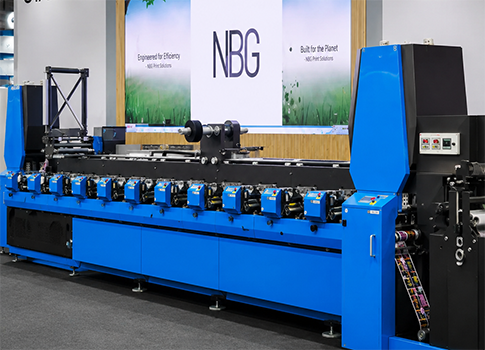
As one of the established paper bag machine manufacturers, NBG Printographic machinery delivers machinery designed to meet modern packaging demands. Solutions like the Semi Automatic Sheet-fed Square Bottom machine offer:- High structural accuracy
- Reduced material wastage
- Efficient short and medium production runs
Sustainability and the Future of Paper Bags
Sustainability continues to shape packaging decisions globally.Why Paper Bags Are a Long-Term Solution
Paper bags offer:- Biodegradability
- Recyclability
- Reduced environmental impact compared to plastic
Partner with NBG Printographic to manufacture reliable, eco-friendly paper bags at scale with advanced automation
Conclusion
Paper bags are no longer just packaging—they’re a strategic asset. From flat bags to the square bottom paper bag, each design serves a specific purpose across food, retail, and FMCG sectors. Understanding the different types of paper bags, their applications, and production requirements allows businesses to maximise packaging performance while meeting sustainability goals. Equally important is choosing the right manufacturing partner. With advanced solutions from NBG Printographic Machinery, one of the trusted printing machine manufacturers in India, businesses can produce high-quality paper bags efficiently, consistently, and at scale. In a market where packaging choices directly influence brand perception and compliance, investing in the right paper bag type and the right machinery is no longer optional. It’s a competitive advantage. Contact us now!FAQs
What are the main types of paper bags used in packaging?The main types of paper bags used in packaging include flat paper bags, gusseted paper bags, square bottom paper bags, and handled paper bags. Each type is designed for specific applications, ranging from lightweight bakery items to heavier retail and grocery products.
Which paper bag is best for retail packaging?For retail packaging, the square bottom paper bag is the most preferred option. Its stable base, strong structure, and premium appearance make it ideal for clothing, accessories, and boxed products.
Can paper bags be customised for branding?Yes, paper bags can be fully customised with brand logos, colours, messaging, and finishes. Custom printing enhances brand visibility and creates a consistent, professional customer experience.
What is the difference between laminated and non-laminated paper bags?Laminated paper bags have an added coating that improves durability, moisture resistance, and visual appeal. Non-laminated paper bags are more eco-friendly and cost-effective, making them suitable for everyday packaging.
Which paper bag type is best for food packaging?Brown paper bags and square-bottom paper bags are best for food packaging, as they are sturdy, breathable, and compatible with food-grade materials.
What are the benefits of switching from plastic to paper bags?Switching to paper bags reduces environmental impact, improves recyclability, supports sustainability goals, and enhances brand perception among eco-conscious consumers.